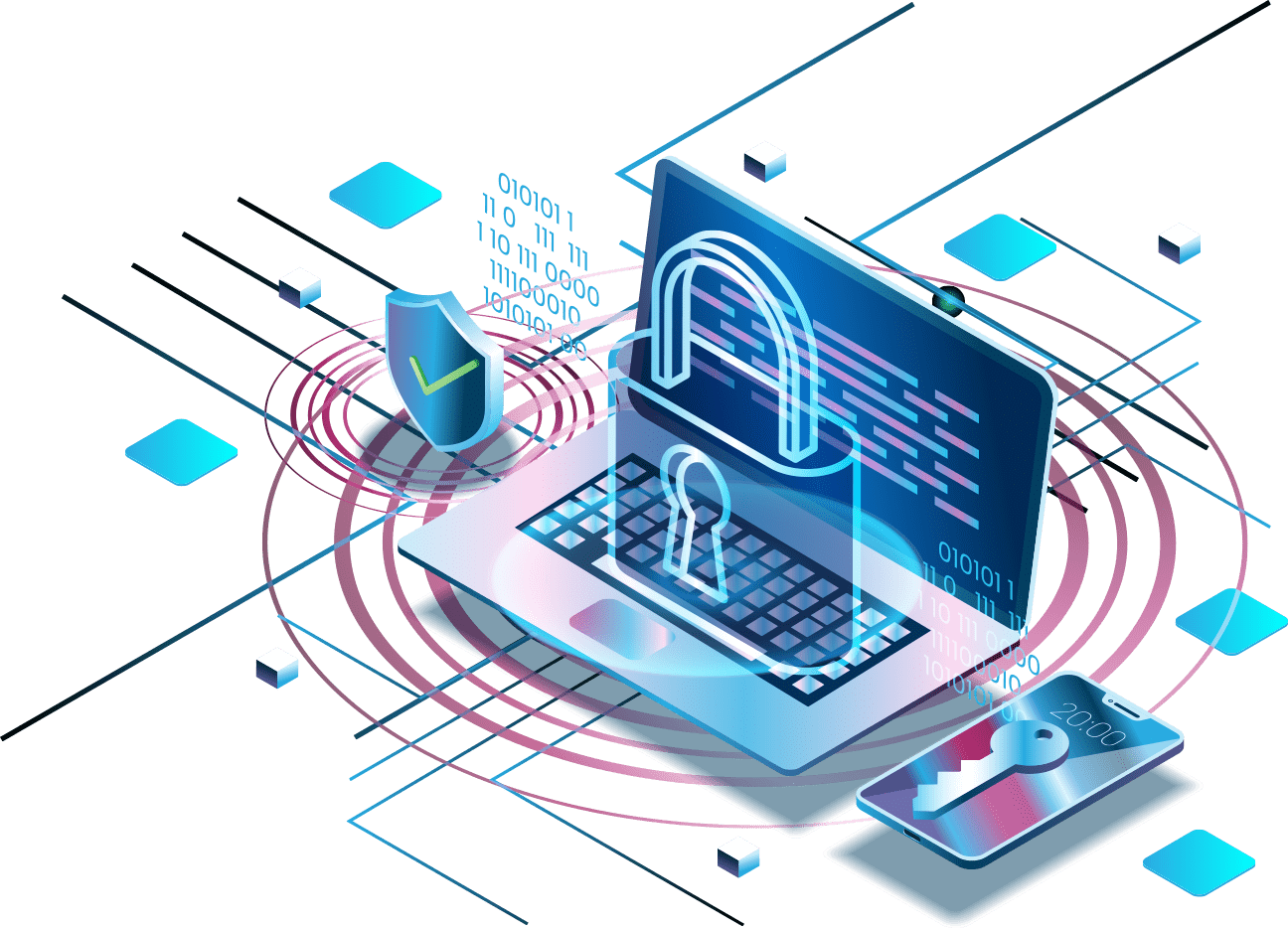
Cybersecurity refers to the practice of protecting systems, networks, and data from digital attacks. It is crucial for businesses to safeguard sensitive information, maintain customer trust, and comply with regulations.
Every business, regardless of size, is a potential target. Signs of risk include outdated software, lack of employee training, weak passwords, and no regular security assessments.
Common threats include phishing attacks, malware, ransomware, data breaches, and denial-of-service (DoS) attacks.
Implement strong passwords, keep software updated, use firewalls and antivirus programs, regularly back up data, and train employees on security best practices.
Immediately disconnect affected systems, notify your IT/security team, preserve evidence, inform stakeholders, and contact cybersecurity professionals for assistance.
Yes, small businesses are often targeted because they may have weaker security. Protecting your business helps prevent financial loss and reputational damage.
Cyber threats are constantly evolving, so it is important to review and update your cybersecurity policies, software, and employee training regularly—at least annually or whenever new threats emerge.
Phishing is a type of cyber attack where attackers impersonate legitimate organizations to steal sensitive information. Avoid phishing by being cautious with emails, not clicking suspicious links, and verifying the sender's identity.
Newsletter
Let's subscribe the newsletter
Stay updated with the latest cybersecurity news and insights.